

Understanding Plantar Fasciitis (and my top three tips)
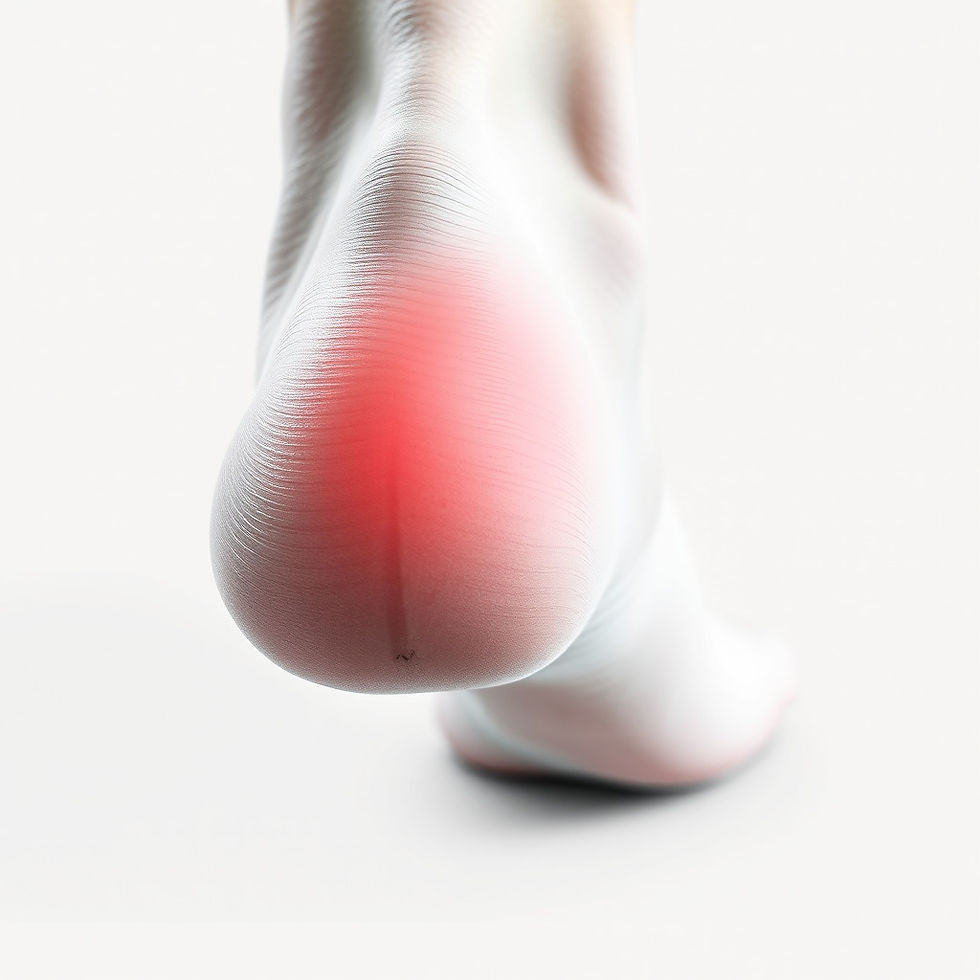
It's something I hear so often: I've got a sore foot! And I often ask - is it worse when you get out of bed in the morning? So often the answer is, "Yes! How did you know?" (Short answer - mine does that too!)
Plantar fasciitis is a common foot condition that causes sharp pain in the heel and bottom of the foot. Many people experience this discomfort, especially after long periods of standing or walking. Understanding what causes plantar fasciitis and how to manage it can help reduce pain and improve daily life.
I must emphasise: I'm not medically qualified, and I'm just sharing information from the internet about Plantar Fasciitis to help you - things I wished I'd known when I first had the problem.
(Some of the information below is a summary from the Internet, but the tips at the bottom are things that helped me. Always speak to your own doctor if you are worried.)
What Is Plantar Fasciitis?
Plantar fasciitis occurs when the plantar fascia, a thick band of tissue running from the heel bone to the toes, becomes inflamed or irritated. This tissue supports the arch of the foot and absorbs shock during movement. When it is overstressed, tiny tears can develop, leading to pain and stiffness.
People often describe the pain as a stabbing sensation near the heel, especially noticeable with the first steps in the morning or after resting.
Common Causes of Plantar Fasciitis
Several factors contribute to the development of plantar fasciitis. Understanding these can help identify risks and prevent worsening symptoms.
Overuse and Repetitive Stress
Activities that put repeated pressure on the heel and foot arch can strain the plantar fascia. This includes:
Running, especially on hard surfaces
Standing for long hours at work
Walking or hiking long distances
Foot Structure and Biomechanics
Certain foot shapes and mechanics increase the risk:
Flat feet or fallen arches cause excessive stretching of the plantar fascia.
High arches can lead to increased tension in the tissue.
Abnormal walking patterns or uneven weight distribution add stress.
Inappropriate Footwear
Wearing shoes without proper arch support or cushioning can worsen strain on the plantar fascia. Thin-soled shoes, flip-flops, or worn-out footwear often lack the necessary support. (Do read my blog post about footwear, if you haven't already!)
Age and Weight
Plantar fasciitis is more common in people aged 40 to 60. Excess body weight increases pressure on the feet, making the plantar fascia more prone to injury. (I think this one is me, to be honest! It seems to be worse when I twist my feet, as well, e.g. walking along a sloped surface.)
Signs and Symptoms to Watch For
Recognizing plantar fasciitis early helps manage symptoms effectively. Common signs include:
Sharp heel pain, especially with the first steps after waking up
Pain that worsens after prolonged standing or activity
Tenderness along the bottom of the foot near the heel
Stiffness in the foot arch after rest
If pain persists for several weeks or worsens, it is important to consult a healthcare professional for proper diagnosis.
Tips for Relief and Management
While plantar fasciitis can be painful, many people find relief through simple lifestyle changes and home treatments.
Rest and Activity Modification
Reducing activities that cause heel pain allows the plantar fascia to heal. Avoid running or standing for long periods. Instead, try low-impact exercises like swimming or cycling (or line dancing! But do be careful with stomping - you know I always say "think heavy feet, don't stomp too hard").
Stretching Exercises
Regular stretching helps relieve tension in the plantar fascia and calf muscles. Effective stretches include:
Calf stretch: Stand facing a wall, place one foot behind the other, and lean forward keeping the back leg straight.
Plantar fascia stretch: Sit down, cross one leg over the other, and pull the toes back toward the shin.
Towel stretch: Use a towel to pull the foot toward you while keeping the knee straight.
Sarah's tip no 1: sitting down, roll the arch of your foot over a tin of baked beans. It has to be beans because they are heavy! This seems to ease the tightness in the fascia. A physio gave me this tip, years ago, and it really does seem to help, in my experience.
Proper Footwear
Choose shoes with good arch support and cushioning. Avoid flat shoes or those with worn soles. Orthotic inserts can provide additional support and reduce strain.
Sarah's tip no 2: Skechers Arch Fit shoes have additional arch support and they seem to help my feet. They are expensive (in my opinion) but do keep an eye out for them on sites like Vinted. I also wear Fit Flops, but I find Skechers Arch Fit even more comfortable.
Sarah's tip no 3: Shoe inserts! I buy mine from Superdrug and I even have them in my dance trainers - and my cowboy boots!
If anyone has any other tips to share, please do comment below. Thank you!


I get this from time to time, going to try gel arch supports . I like the tin of beans idea I can eat them after :-) win win